Morava: A Stylish Decorative 3D Font for Editorial Impact
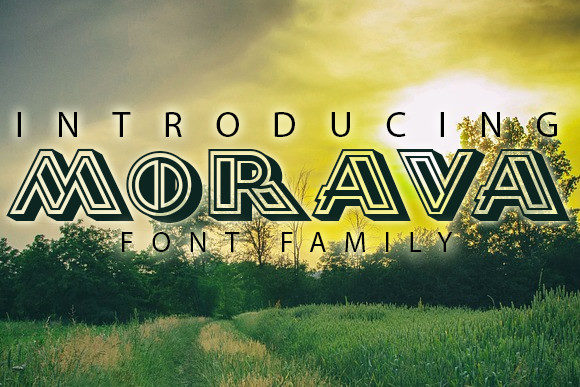
As a publisher and editorial designer who crafts blogs, digital magazines, print-ready guides, and branded newsletters, I rely on typefaces that do more than look good—they shape tone, signal intention, and hold attention without sacrificing clarity. Morava is a decorative 3D font family that has a stylish look—and it’s precisely the kind of display font that elevates editorial design when used with purpose. Unlike decorative fonts that sacrifice legibility for flair, Morava balances dimensionality with clean contours, making it ideal for headlines, covers, and accent typography where visual weight and personality matter most.
Morava for Magazine Covers and Print-First Publications
Morava thrives in high-impact editorial contexts—especially magazine covers and print-first publications where first impressions are non-negotiable. Its 3D depth adds tactile presence to cover titles without needing extra effects or layering in design software. Whether you’re producing a quarterly lifestyle magazine, an indie poetry journal, or a creator-led print zine, Morava delivers instant distinction. Because it’s a decorative font built for visibility—not extended reading—it works best for cover titles, section headers, and masthead accents. Pair it with a robust serif font like Adobe Garamond or a crisp sans serif like Inter for body copy, and you create a hierarchy that feels intentional, not cluttered.
Morava for Ebook Titles and Chapter Openers
When designing ebooks—especially those sold on platforms like Gumroad or Teachable—title treatment directly influences perceived value. Morava is a decorative 3D font family that has a stylish look, and that stylistic confidence translates into premium perception. Use it for ebook covers and chapter openers to reinforce thematic energy: a wellness guide gains sophistication, a creative workbook feels more tactile, a travel narrative feels immersive. Just avoid using Morava for body text or long captions—its decorative nature makes it unsuitable for sustained screen reading. Instead, reserve it for moments where you want readers to pause, absorb, and feel the mood before diving in.
Morava for Newsletter Headers and Social Media Quote Graphics
For bloggers and newsletter creators, visual consistency across email, web, and social feeds strengthens brand recognition. Morava works exceptionally well as a header font in Mailchimp or ConvertKit templates—especially for featured quote graphics, “Tip of the Week” banners, or seasonal campaign headers. Its 3D styling reads clearly even at smaller sizes on mobile, and its decorative character helps your content stand out in crowded inboxes. When exporting to PNG or JPG for Instagram or Pinterest, Morava holds up beautifully—no pixelation, no loss of dimensionality—making it a reliable choice among decorative fonts for cross-platform branding.
Morava for Printable Guides, Workbooks, and Lead Magnets
If you create downloadable resources—think recipe workbooks, habit trackers, coaching worksheets, or printable planners—you need fonts that feel both professional and expressive. Morava is perfect for any branding project such as logos, t-shirt printing, creative products, or pretty much anything that could benefit from elevated visual identity—and that includes lead magnets designed to convert. Use it for title pages, section dividers, and callout boxes. Because it’s a decorative font optimized for impact rather than density, it avoids overwhelming the page while still signaling care and craft. Always test PDF exports: Morava embeds cleanly in Adobe Acrobat and maintains fidelity across devices, ensuring your printables look polished whether viewed on iPad or printed at home.
Morava for Blog Post Headings and Visual Storytelling
In long-form blog content—particularly visual narratives around travel, food, design, or personal growth—headings are storytelling tools. Morava gives blog post headings texture and presence, helping readers navigate by mood as much as structure. Try it for H2s introducing new sections, or for pull-quote treatments that break up dense paragraphs. It’s especially effective in lifestyle blogs where aesthetic cohesion matters: imagine Morava paired with a warm, readable serif like Merriweather for body text—elegant but grounded, dimensional but not distracting. As a decorative font, it should never appear in navigation menus or footer text—but in the right context, it deepens reader engagement by reinforcing voice through typography.
Morava for Creative Branding Across Digital and Physical Products
Whether you’re launching a digital course, designing merch for your audience, or building a cohesive brand system for your publication, Morava supports unified identity across touchpoints. It’s perfect for any branding project such as logos, t-shirt printing, creative products, or pretty much anything that could benefit from distinctive typographic character. Use it consistently for your logo, newsletter banner, ebook cover, and printable worksheet headers—and pair it with one neutral, highly legible font family (like Source Sans Pro or Lora) across all supporting text. This approach ensures scalability: Morava becomes your signature accent, while your secondary font handles clarity and continuity. And because it’s a commercial font, licensing covers use in client projects, paid downloads, templates, and physical goods—so you can deploy it confidently across your entire content ecosystem.
Morava Font Pairing Strategies for Editorial Designers
Successful use of Morava hinges on smart pairing. As a decorative 3D font family, it’s strongest when contrasted—not matched. Avoid pairing it with other display fonts or overly ornate scripts. Instead, anchor it with a highly legible serif for long-form reading (e.g., EB Garamond), or a humanist sans serif for modern digital layouts (e.g., Open Sans or Poppins). For caption text, footnotes, or UI elements, choose a font with generous x-height and clear letterforms. Also check what styles Morava includes: if it offers alternates or ligatures, use them sparingly—for initial caps or special section breaks—to add subtle variation without compromising rhythm. And verify multilingual support if your audience spans language groups; many decorative fonts prioritize Latin characters, so confirm coverage before committing to global distribution.